-
Services
-
expand_more
Back
Services
-
-
expand_more
Back
Alcohol Licensing
- Alcohol Public Notices
- Find the right alcohol licence and apply
- Alcohol licence fee calculator
- Renew and/or vary your alcohol licence
- Manager's certificates
- Legal requirements for licence holders
- District Licensing Committee decisions
- ARLA annual report
- Alcohol-Free Areas In Public Places
- Have your say on alcohol licence applications
- All alcohol licensing forms
- Gambling Information
-
-
expand_more
Back
Rates & Property
- Setting the Rates
- Revaluation and how it affects rates
- Rates Dates & Payment Options
- Changing your details
- Property Information Search
- Online Rates Payments
- Rates Rebates, Remission & Postponement
- Short-Term Visitor Accommodation
- Queenstown CBD Transport Rate for Queenstown Town Centre Properties
- Wastewater Rates for Cardrona
- Other Information
- Rates FAQs
-
-
expand_more
Back
Resource Consents
- Do I need a resource consent?
- Change, extend or surrender a resource consent
- Before you apply
- Apply for a resource consent
- Non-compliance & monitoring
- Notified consents
- Subdividing and Land Development
- Need help?
- Current resource consents
- eDocs
- FAQs
- Practice notes and guidance
-
-
expand_more
Back
Rubbish & Recycling
- How we recycle in the Queenstown Lakes District
- Cut your waste
- Commercial Services
- Public place litter bins and illegal dumping
- Rubbish & Recycling Collection
- Recycling Centres
- Transfer Stations
- Solid Waste Assessment
- Waste Minimisation Community Fund
- Waste Minimisation for Businesses
- Zero Waste Events
- Green and food waste
- Construction and demolition waste
- Waste Management and Minimisation Plan 2025-2031
-
Do It Online
-
expand_more
Back
Do It Online
-
-
expand_more
Back
Registrations
- Register your Dog
- Register for a transfer or refund of dog registration fee
- Renewal for Campgrounds and Offensive Trade Registrations
- Activities in a Public Place - Registration/Application Form
- Register as a Homestay
- Register as Residential Visitor Accommodation
- Register for our public notification list
- Register to speak at Public Forum
- Register for Kerbside Collection Services
- No Spray Register
-
Community
Community
Ngā Hapori
- Arts, Culture and Heritage
- Citizenship Ceremonies
- Community Associations and Groups
- Community Connect
- Community Funding
- Community Research
- Community Wellbeing
- Economic Development
- Emergency Management
- Energy Saving Tips
- Event Planning and Venues
- Manaaki
- Managing the risk of wildfire
- Māori Community
- Newcomers Guide
- Population and Demand
- Summerdaze
- Tuia Programme
- Welcoming Communities
- Venue Hire
Summerdaze
A collection of events happening district-wide over the summer months.
-
Recreation
Recreation
Kā mahi a te rēhia
- Queenstown Events Centre
- Wānaka Recreation Centre
- Paetara Aspiring Central
- Swim
- Learn to Swim
- Golf
- Kids' Recreation
- Sport & Rec Venues and Contacts
- Courts and Fields
- Memberships - Join Today
- Join the Sport & Rec Team
- Responsible Camping
- Parks and Walkways
- Lakes and Boating
- Mountain Biking
- Horse Riding
- Splash Café
- Physiotherapy
- Playgrounds
- School Holiday Programmes
- This Is Sport & Recreation
- Sport & Recreation Captial Projects
Camping this summer?
We have new rules on freedom camping. Make sure you know before you go!
-
Your Council
Your Council
Te Kaunihera ā-rohe
- Careers
- Climate Change and Biodiversity
- Consultations
- Council Documents
- Council Meetings
- Council Projects
- District Plan
- Elected Members
- Elections
- Fast-track Approvals Act
- LGOIMA (information) requests
- Media Centre
- News
- Newsletter Archive
- Our Strategic Framework
- Public Notices
- Sister Cities
- User Fees and Charges
Elected Members
Get to know your elected members and how to contact them.
-
expand_more
Back
Your Council
-
-
expand_more
Back
Council Documents
- Annual Plans
- Annual Reports
- Archived Agendas & Minutes
- Asset Management Plans
- Awarded Council Contracts
- Bylaws
- Capex Quarterly Update
- Long Term Plan (LTP)
- Monthly Reports
- National Policy Statement - Urban Development 2020 (NPS-UD)
- Policies
- Pre-election reports
- Queenstown Lakes Spatial Plan
- Reserve Management Plans
- Section 10A Reports
- Small Community Plans
- Strategies and Publications
- Submissions from QLDC
-
-
expand_more
Back
Council Projects
- Project Tohu
- Queenstown Town Centre Arterial
- McPhee Park Playground
- Blue-Green Network Plan
- Frankton Track Wastewater Upgrades
- Aubrey Road Wastewater Pipe Upgrades
- Luggate Water Upgrades
- Kingston Infrastructure Works
- Queenstown Town Centre Street Upgrades
- Way To Go
- Our Water Done Well
- Upper Clutha Wastewater Conveyance Scheme
- Shotover Wastewater Treatment Plant Stage 3 upgrades
- Short term approach for managing wastewater discharge
- Long term solution for Shotover Wastewater Treatment Plant
- Smart Water Meters Trial
- Environmental Monitoring System
- Lakeview Development
- Mount Iron Reserve Management Plan
- Project Manawa
- Wānaka Airport Certification
- Wānaka Airport Future Review
- Improving housing outcomes
- Queenstown Lakes Home Strategy
- Upgraded Two Mile UV Treatment Plant
- Frankton Road Watermain Upgrades
- Glenorchy Water Treatment Upgrades
- Upper Clutha Safety Improvements Programme
- Cardrona Valley Water Supply Scheme
- Schools to pool active travel route
- All-weather turf at Queenstown Events Centre
- Arthurs Point to Queenstown shared path
- 101 Ballantyne Road Masterplan
- Ballantyne Road Upgrade
- Cardrona Valley Wastewater Upgrade
- Glenorchy Reservoirs
- Frankton Campground
- Frankton Stormwater Upgrade
- Marine Parade Upgrades
- Mayoral Housing Affordability Taskforce
- Shotover Country Borefield and Treatment Plant
- Proposed Visitor Levy
- Ladies Mile Masterplan
- Recreation Ground Wastewater Pump Station and Rising Main
- Luggate Memorial Centre
- Te Kararo Queenstown Gardens
- Western Wānaka Water Supply Upgrade
- Shotover Bridge Water and Wastewater Main
- Te Tapuae Southern Corridor
- Glenorchy Marina Carpark
- Wānaka Lakefront Development Plan
- Travel Demand Management Programme
- Peninsula Bay Reserve Regeneration
- Merton Park Playground
- Tucker Beach closed landfill rehabilitation
- QEC Indoor Court Expansion
- 101 Ballantyne Road Remediation
- Energy upgrades at Aquatic facilities
- Reconsenting Lake Hayes water take
-
-
expand_more
Back
District Plan
- Operative District Plan
- Proposed District Plan
- ePlans
- National Policy Statement-Urban Development (District Plan Amendments)
- Urban Intensification Variation
- Te Pūtahi Ladies Mile Variation
- Private Plan Change 1 - The Hills Resort Zone
- Upper Clutha Landscape Schedules Variation
- Priority Area Landscape Schedules
- Special Zones Review
- District Plan Maps
- A Guide to Plan Changes
- Planning Matters - Planning & Development Newsletter
Monday, 22 December 2025
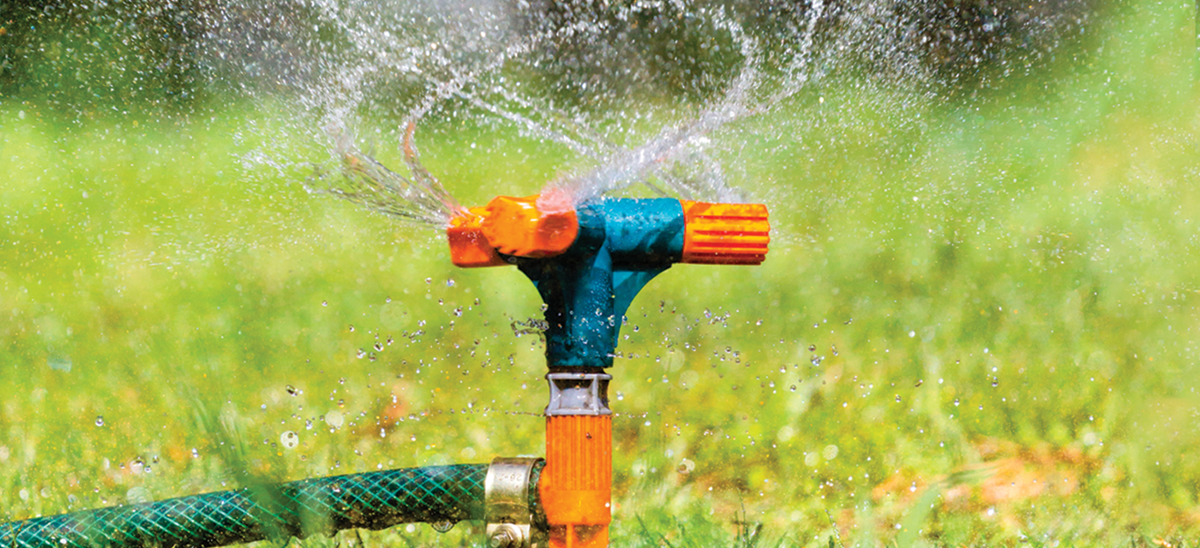
Slip, slop, slap, and put a wrap on that sprinkler to save water this summer
Residents and visitors to Queenstown Lakes District are encouraged to do their part to help save water this summer.
Residents and visitors to Queenstown Lakes District are encouraged to do their part to help save water this summer, using simple changes at home or the holiday house to safeguard water supplies during what is sure to be another long, hot, and dry summer.
Queenstown Lakes District Council (QLDC) Infrastructure Operations Manager, Simon Mason said demand for water across the network was already on the rise, despite a particularly wet spring and a few welcome days of rain to start the sunny season off.
“We historically see water usage skyrocket over the Christmas and New Year period, and as we move into 2026 and get more of those hotter, drier days we all enjoy, that sprinkler or hose at home is likely to be used a lot more to keep gardens green and lawns lush,” said Mr Mason.
“Water is a limited and precious resource, but how we’re using it can become unsustainable very quickly in summer, putting our supplies at risk in the event of an emergency and potentially leading to temporary water restrictions if the network comes under enough strain.”
To help achieve a summer free from water restriction, Mr Mason shared there were plenty of quick and easy things to do at home to help keep reservoirs filled, and water and summer flowing along nicely.
The biggest water saving efforts at home can be made when watering lawns or gardens, with residents encouraged to consider reducing their use of sprinklers or irrigation, and only watering late at night. This not only avoids the worst of the day’s heat and water being lost to evaporation, but also the busy morning and evening periods when water demand is at its highest.
Other effective tips include saving up to 20 litres for every minute cut from time spent in the shower, and the simple act of turning off the tap while brushing teeth or shaving to save another 10 litres in the space of a minute.
Another important step is to fix water leaks around the home and to notify Council of any on public land as soon as possible, helping to stop water that’s been treated, stored, and then piped across town ending up in the gutter and heading down a storm drain and straight back to the lake or river.
Mr Mason acknowledged little tweaks to water use at home might not seem like much, but collectively, enough people making one change would make a significant difference to the Queenstown Lakes District’s water supplies.
“We’re blessed with an abundant freshwater resource right in our backyards, but maintaining our water supplies will never be a case of just getting more from the lake aquifer. Taking that water and constructing and operating the infrastructure needed to treat it, store it, and deliver it to taps around the district comes with a significant cost,” said Mr Mason.
“We’ve all had or seen the sprinkler blasting at midday, or the broken irrigation that’s just spent three hours watering a nearby road or footpath. It’s not the water we’ve got, it’s how we’re using it,” said Mr Mason.
With water restrictions always a possibility as summer wears on and reservoir levels drop, signage has been erected in several locations throughout Queenstown Lakes District to detail the different water alert levels and what residents and visitors are expected to do if restrictions are required.
Residents and visitors can check out a range of tips and tricks to play their part and help save water at home at www.qldc.govt.nz/save-water.
More information on water restrictions and what the different water alert levels mean is available at www.qldc.govt.nz/water-restrictions.
ENDS | KUA MUTU.
Media contact:
TEL: 03 441 1802.
communications@qldc.govt.nz
FURTHER INFORMATION | Kā pāroko tāpiri
More information on how to save water this summer can be found at www.qldc.govt.nz/save-water.
Fast facts about common water users in the home:
- Flushing the toilet can use up to 6 litres of water
- Running the tap for one minute can use up to 10 litres of water
- A garden sprinkler can use up to 17 litres of water a minute
- A shower can use up to 20 litres of water a minute
- Running the dishwasher can use between 14 and 25 litres of water
- Running a bath can use up to 90 litres of water
- Using the washing machine can use between 50 and 135 litres of water
How do water restrictions work?
QLDC continuously monitors water production versus how much is being taken from reservoirs across the district. If a general trend is spotted where water is being used faster than it can be produced, treated, and stored, temporary restrictions may be put in place for people connected to Council’s potable water supply. Here’s how the different water alert levels work:
- Water alert level 0: No water restrictions, but please use water wisely at all times.
- Water alert level 1: Hand-held hosing kept to a minimum at any time. Sprinklers only from midnight to 6.00am.
- Water alert level 2: Hand-held hosing kept to a minimum at any time. No sprinklers at any time, and no contractor water takes.
- Water alert level 3: No use of outside water systems, no sprinklers or hand-held hoses at any time, and no contractor water takes.
More information on water restrictions is available at www.qldc.govt.nz/water-restrictions.